

People often share their homes, routines, and affection with their dogs, so it can feel natural to want to share a bite of food from the table as well. But foods that are harmless for people are not always a good choice for dogs.
Related option: Veggie Fruits & Meat.
Related option: Meal Toppers.
Related option: Freeze-Dried Meats.
Related option: Cat.
Related option: Freeze-Dried Goat Milk Bites - Probiotic Calcium.
Related option: Freeze-Dried Cheese & Chicken Cookies - Savory.
Related option: Freeze-Dried Salmon Crumbles - Food Topper.
Related option: Freeze-Dried Cheese Bites - Calcium Rich Reward.
Some fruits, vegetables, and everyday ingredients that humans digest easily can be risky for dogs and may lead to serious health concerns. Other plain foods can be offered in small amounts as occasional additions or treats and may provide useful nutrients when prepared appropriately.
Human Foods Dogs Can Eat
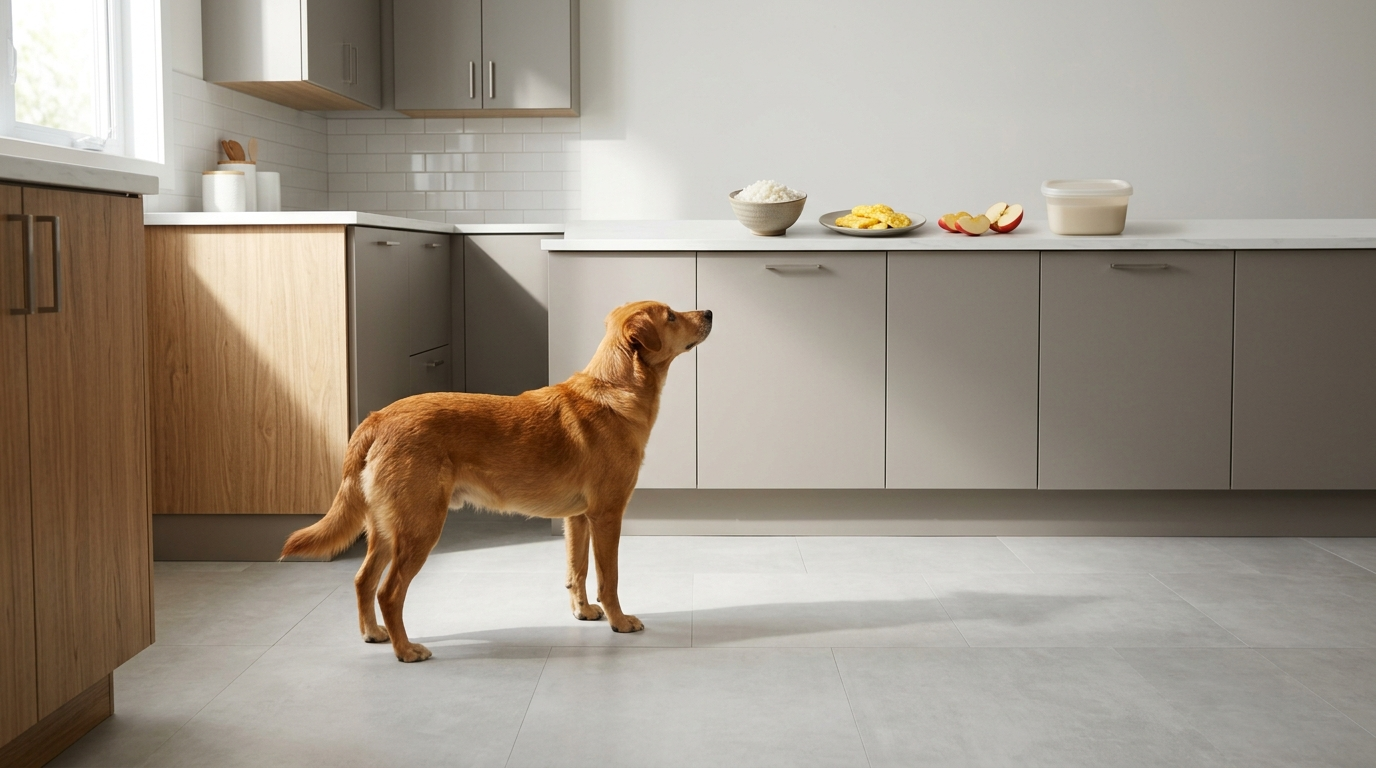
Several common foods can be safe for dogs when they are served plain, prepared correctly, and offered in moderation. These foods may work as occasional treats, but they should not take the place of a complete, balanced dog food diet.
Bread
A small piece of plain bread is unlikely to harm most dogs, provided it does not contain seasonings and never contains raisins. Bread is not especially useful nutritionally, though, and it can add carbohydrates and calories quickly. Homemade bread may avoid some unnecessary preservatives found in many store-bought loaves, but in most cases bread is still best kept limited or skipped.
Cashews
Cashews can be acceptable for dogs in very small amounts. They contain nutrients such as calcium, magnesium, antioxidants, and protein. Even though cashews are lower in fat than some other nuts, too many can contribute to unwanted weight gain. If you offer them, choose unsalted cashews and keep the portion small.
Cheese
Cheese can be given to dogs in small to moderate amounts if the dog tolerates dairy. Lactose intolerance is not the norm in dogs, but it can happen. Because many cheeses are high in fat, lower-fat options such as cottage cheese or mozzarella are usually better choices. Some dogs also enjoy dog-specific dried cheese chews.
Coconut
Coconut contains lauric acid and is often discussed as a food that may support general wellness in dogs. Coconut may also be used by some owners for breath or skin-related concerns, although any ongoing issue should be discussed with a veterinarian. Coconut milk and coconut oil are generally considered safe for dogs in appropriate amounts. Keep the hairy outer shell away from dogs, since it can become stuck in the throat.
Corn
Corn is a common ingredient in many dog foods. If you share corn with your dog, it should be removed from the cob first. Corn cobs can be difficult for dogs to digest and may create a blockage risk.
Eggs
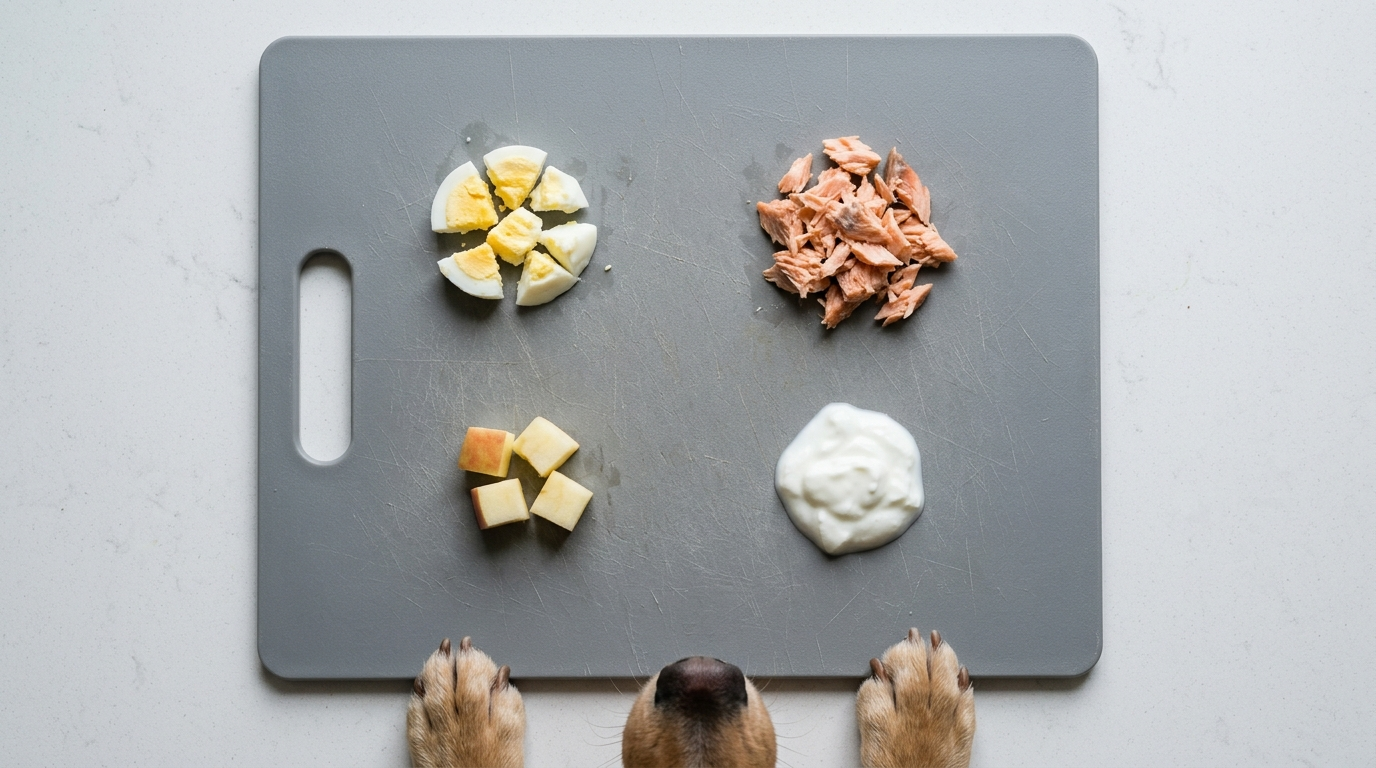
Eggs are safe for dogs when they are fully cooked. Cooked eggs provide protein and may be gentle for some dogs. Raw egg whites can contribute to biotin-related concerns, so eggs should be cooked all the way through before being offered.
Fish
Fish provides fats and amino acids that can be useful in a dog’s diet. Salmon and sardines are common examples: salmon offers protein and vitamins, while sardines have soft, digestible bones that provide calcium. Other than sardines, small bones should be carefully removed before feeding fish to a dog.
Do not give dogs raw or undercooked fish. Fish should be fully cooked, cooled, and limited to no more than twice per week.
Ham
Ham is not toxic to dogs, but it is not one of the healthier choices. It tends to be high in sodium and fat. A very small piece may be acceptable for some dogs, but it should not become a regular habit.
Honey
Honey contains nutrients such as vitamin A, potassium, calcium, magnesium, copper, and antioxidants. Very small amounts are sometimes offered to dogs, and some owners use local honey with the idea that it may expose dogs to small amounts of pollen. Honey is also sometimes used externally for minor skin concerns, but wounds, burns, or irritation should be handled with veterinary guidance.
Milk
Dogs can have a small amount of milk, but caution is important. Some dogs do not digest lactose well. While a little milk may be tolerated, owners should watch for signs of dairy sensitivity and may prefer to offer water instead.
Peanut Butter
Peanut butter can be a useful source of protein for dogs and contains fats, B vitamins, vitamin E, and niacin. Raw, unsalted peanut butter is generally the better option. Always read the ingredient label carefully to make sure it does not contain xylitol, a sugar substitute that is toxic to dogs.
Peanuts
Peanuts, unlike almonds, are generally safe for dogs when offered appropriately. They contain fats and protein, but portions should stay moderate because excess fat can be difficult for dogs and may contribute to pancreatic concerns. Avoid salted peanuts, since too much salt is not good for dogs.
Popcorn
Plain air-popped popcorn without salt or butter can be offered to dogs in moderation. It contains riboflavin and thiamine, along with small amounts of iron and protein. Make sure the kernels are fully popped before serving, because unpopped kernels can present a choking risk.
Pork
Pork is a digestible protein source and contains amino acids, though it has more calories per pound than some other meats. For some pets, pork may be less likely to trigger a food sensitivity than certain other proteins, depending on the individual dog.
Quinoa
Quinoa appears in some higher-quality dry dog foods. Its nutrient profile can make it a useful alternative to starches such as corn, wheat, and soy that are commonly used in kibble.
Salmon
Fully cooked salmon, as noted above, can provide protein, fats, and amino acids. It may support general joint, brain, and immune-system wellness as part of an appropriate diet. Raw or undercooked salmon can contain parasites that may make dogs very ill, with possible signs such as vomiting, diarrhea, and dehydration; in severe cases, it can be life-threatening. Cooking salmon thoroughly helps address this risk.
Shrimp
A few shrimp occasionally can be fine for dogs if they are fully cooked and completely removed from the shell. The tail, head, legs, and shell should all be taken off. Shrimp contain antioxidants, vitamin B-12, and phosphorus, and they are also low in fat, calories, and carbohydrates.
Tuna
Dogs can eat tuna, but only in small quantities. Cooked fresh tuna can provide omega-3 fatty acids, which may support heart and eye wellness. Canned tuna contains some mercury and sodium, so it should not be given in excess. A small amount of canned tuna or tuna water may be acceptable if it is packed in water rather than oil and contains no spices.

Turkey
Turkey can be safe for dogs when prepared plainly. Remove excess fat and skin, and check carefully for bones. Poultry bones can splinter during digestion and may cause blockages or intestinal injury. Do not feed turkey or other meat that contains excessive salt, seasonings, onions, or garlic.
Wheat or Grains
Dogs do not automatically need a grain-free diet, and many dogs can eat grains without issue. Grains such as wheat and corn can provide protein, essential fatty acids, and fiber. If a dog has specific allergies or sensitivities, grain choices may need to be adjusted. Ask a veterinarian for guidance based on the individual dog.
Yogurt
Plain yogurt can be an acceptable snack for some dogs. However, dogs that struggle with dairy may not digest it well. If tolerated, the active bacteria in yogurt may support digestive health. Choose plain yogurt, avoid added sugar, and do not give yogurt that contains artificial sweeteners.
Human Foods Dogs Can’t Eat
Knowing which human foods are unsafe for dogs is important because some can cause serious illness or be life-threatening. Keep these foods out of reach, and contact a veterinarian promptly if you think your dog has eaten something toxic.
Almonds
Almonds are not considered toxic in the same way macadamia nuts are, but they can still be dangerous. If not chewed well, they may block the esophagus or injure the airway. Salted almonds are especially concerning because added salt can increase water retention, which may be dangerous for dogs with heart-related problems.
Chocolate
Chocolate should never be given to dogs. It contains methylxanthines, stimulant compounds that interfere with a dog’s normal metabolism. Even a small amount, particularly dark chocolate, can lead to vomiting and diarrhea. Larger amounts can cause seizures, abnormal heart function, and death. Keep chocolate where dogs cannot reach it. If a dog eats chocolate, contact a veterinarian or pet poison helpline right away.
Cinnamon
Cinnamon is not technically classified as toxic to dogs, but it is still best avoided. Cinnamon and cinnamon oils can irritate a dog’s mouth and make them feel unwell. It may also lower blood sugar too much and can be associated with vomiting, diarrhea, heart-rate changes, and liver concerns. If inhaled as a powder, cinnamon may cause coughing, choking, or breathing difficulty.

Garlic
Garlic belongs to the Allium family, along with onions, leeks, and chives. It is especially toxic to dogs and can contribute to anemia, with possible signs such as pale gums, a faster heart rate, weakness, or collapse. Symptoms from garlic or onion exposure may not appear immediately, so a dog that may have eaten these foods should be monitored and a veterinarian should be contacted.
Ice Cream
Ice cream is high in sugar, so it is not a good food to share with dogs. Some dogs are also lactose intolerant. If you want to offer a cold sweet treat, plain frozen pieces of dog-safe fruits such as strawberries, raspberries, apples, or pineapple may be a better option.
Macadamia Nuts
Macadamia nuts are among the most dangerous foods for dogs. They can cause vomiting, increased body temperature, trouble walking, and lethargy. They may also affect the nervous system.
Tips for Feeding Dogs Human Food Safely
Before offering a dog any human food, remember that even foods considered healthy can contribute to weight gain when given too often or in large portions. A quality dog food should remain the main part of the dog’s diet.
When preparing people food for a dog, do not add seasonings, salt, sugar, oil, or butter. Cut foods into small, bite-sized pieces to help reduce choking risk.
Introduce any new food one at a time and in small amounts until you know how your dog responds. If you have questions or concerns about your dog’s diet, ask your veterinarian for guidance.
- Many human foods can be safe for dogs when served in small, plain, unseasoned portions.
- Foods that are high in fat, high in sugar, or heavily processed should be limited even when they are not toxic.
- Some foods, including chocolate, garlic, and macadamia nuts, should never be given to dogs.
- Ingredient labels should be checked for harmful additives such as xylitol.
- New foods should be introduced slowly, and veterinary guidance is best when concerns arise.
Frequently Asked Questions
Emergency First Aid for Dogs
Explore real-ingredient treats
Choose simple, natural rewards made to support everyday happy, healthy treat moments.
Shop Natural Treats