

Nutrients Your Cat Needs
Nutrients are compounds cats get from food and use for energy, growth, body maintenance and normal metabolic work. Unless a cat has special needs, a veterinarian has identified a deficiency or your vet has given different instructions, a high-quality commercial cat food is generally designed to provide the nutrients cats need. The main nutrient classes to understand are water, protein, amino acids, fats, carbohydrates, vitamins and minerals.
Related option: High Protein.
Related option: Meal Toppers.
Related option: Freeze-Dried Meats.
Related option: Cat.
Related option: Freeze-Dried Salmon Crumbles - Food Topper.
Related option: Freeze-Dried Large Beef Chunks - High Energy Treat.
Related option: Freeze-Dried Beef Heart - Heart & Vision Support.
Related option: Freeze-Dried Pork Heart - Lean Muscle Meat.
- Water is the most important nutrient. Food can contribute some moisture, but cats should always have access to fresh, clean water. Too little water can lead to serious health concerns.
- Proteins provide the building blocks for cells, tissues, organs, enzymes, hormones and antibodies. They are important for growth, maintenance, reproduction and repair. Protein can come from several sources. Animal-based proteins provide complete amino acid profiles. Do not feed raw eggs. Vegetables, grains and soy can also contain protein, but those proteins are considered incomplete.
- Amino acids are the components that make up proteins. They are grouped as essential or non-essential amino acids.
- Essential amino acids cannot be made by the animal in adequate amounts, so they must come from the diet. Essential amino acids include arginine, methionine, histidine, phenylalanine, isoleucine, threonine, leucine, tryptophan, lysine, valine and taurine.
- Non-essential amino acids can be produced by your pet and do not need to be supplied in the diet. Taurine is an essential amino acid for companion cats. It supports normal eye and heart function, reproduction, fetal growth and survival. Taurine is found in animal-origin foods such as meat, eggs and fish.
- Fats are the most concentrated source of food energy, supplying more than twice the energy of proteins or carbohydrates. Fats are part of cell structure, are needed for production of certain hormones and help the body absorb and use fat-soluble vitamins. They also provide insulation and protection for internal organs. Cats need essential fatty acids in their diets because they cannot make enough on their own. Linoleic acid is essential for cats. Arachidonic acid, an omega-6 fatty acid, is also essential for cats and supports skin and coat maintenance, kidney function and reproduction.
- Omega-6 and omega-3 fatty acids play a role in the body's inflammatory processes. In some cases, adjusting the balance of omega-6 and omega-3 fatty acids may help moderate inflammatory responses in areas such as skin, joints, intestines or kidneys under veterinary guidance.
- Carbohydrates provide energy for body tissues, contribute to intestinal health and may be important for reproduction. Although cats do not have a minimum carbohydrate requirement, they do have a minimum need for glucose to supply energy to key organs, including the brain. Fibers are types of carbohydrates that can affect the bacterial population in the small intestine and may be useful in managing chronic diarrhea with veterinary input. For cats to get the most benefit from fiber, the fiber source should be moderately fermentable. Very high-fiber foods are not ideal for cats with high energy needs, including young growing cats.
- Vitamins act as catalysts for enzyme reactions. Cats need small amounts of vitamins for normal metabolic function. Most vitamins cannot be made in the body, so they are essential in the diet.
- When a cat is eating a complete and balanced diet, vitamin or mineral supplements are usually unnecessary unless a veterinarian has diagnosed a specific deficiency. Too much supplementation can be harmful with certain vitamins and minerals.
- Minerals are inorganic nutrients that are not metabolized for energy. Animals cannot make minerals, so they must be provided through the diet. In general, minerals are important for bone and tooth structure, fluid balance and many metabolic reactions.
Kittens
If you are caring for kittens during their first months of life, you will need to help them move from milk to kitten food at the proper stage. The transition should be gradual and matched to their age, development and veterinary guidance when needed.
- Newborn kittens get complete nutrition from their mother's milk during the first four weeks of life. When the mother is healthy and nursing normally, her milk meets their needs and no additional food is needed.
- If the mother cat is sick, does not produce enough milk or the kittens are orphaned, a commercial kitten milk replacer may be necessary. In that situation, contact a veterinarian for product and feeding recommendations.
- During the first weeks, a kitten's body weight may double or triple. Growth remains rapid, though it slows over time as maturity approaches. Balanced energy and nutrients are needed to support this development.
- Kittens need much more energy than adult cats, roughly two to three times as much. They also need about 30% of their total energy from protein. Offer food specifically formulated for kittens, and continue kitten-formula food until maturity, which is around one year of age.
- By five to six weeks old, kittens should be consistently nibbling a high-quality dry food even if they are still nursing. Introducing kitten food gradually helps them learn to eat as they are weaned.
- Most mother cats nurse their kittens until about eight weeks of age. By then, 80% to 90% of a kitten's nutrient intake should come from kitten food.
- Kittens may be fed free-choice, meaning food is available whenever they want it. Dry kitten food or nutrient-dense canned kitten food can be used, though free-choice feeding is most practical with dry food because it does not spoil as quickly when left out. If there is a dog in the home, keep the kitten food out of the dog's reach. Fresh water should also be available at all times.
- At first, curious kittens may bat at food or play with it before they understand it is for eating. With time, most kittens learn the routine.
- Small amounts of treats are acceptable for kittens, but treats should make up no more than 5% of daily nutrient intake. The rest should come from a high-quality kitten food.
Weaning is the process of moving kittens from mother's milk to solid food. During this period, kittens gradually shift from dependence on their mother toward more social and feeding independence. Ideally, the mother cat manages weaning. If a kitten has been separated from the mother, or if you are fostering a litter or a pregnant cat, you may need to guide the process.
Weaning usually starts when kittens are about four weeks old and is commonly finished by eight to ten weeks. If you are weaning an orphaned kitten, do not begin too early. As a general guide, once a kitten's eyes are open and focused and the kitten is steady on its feet, solid food can usually be introduced safely.
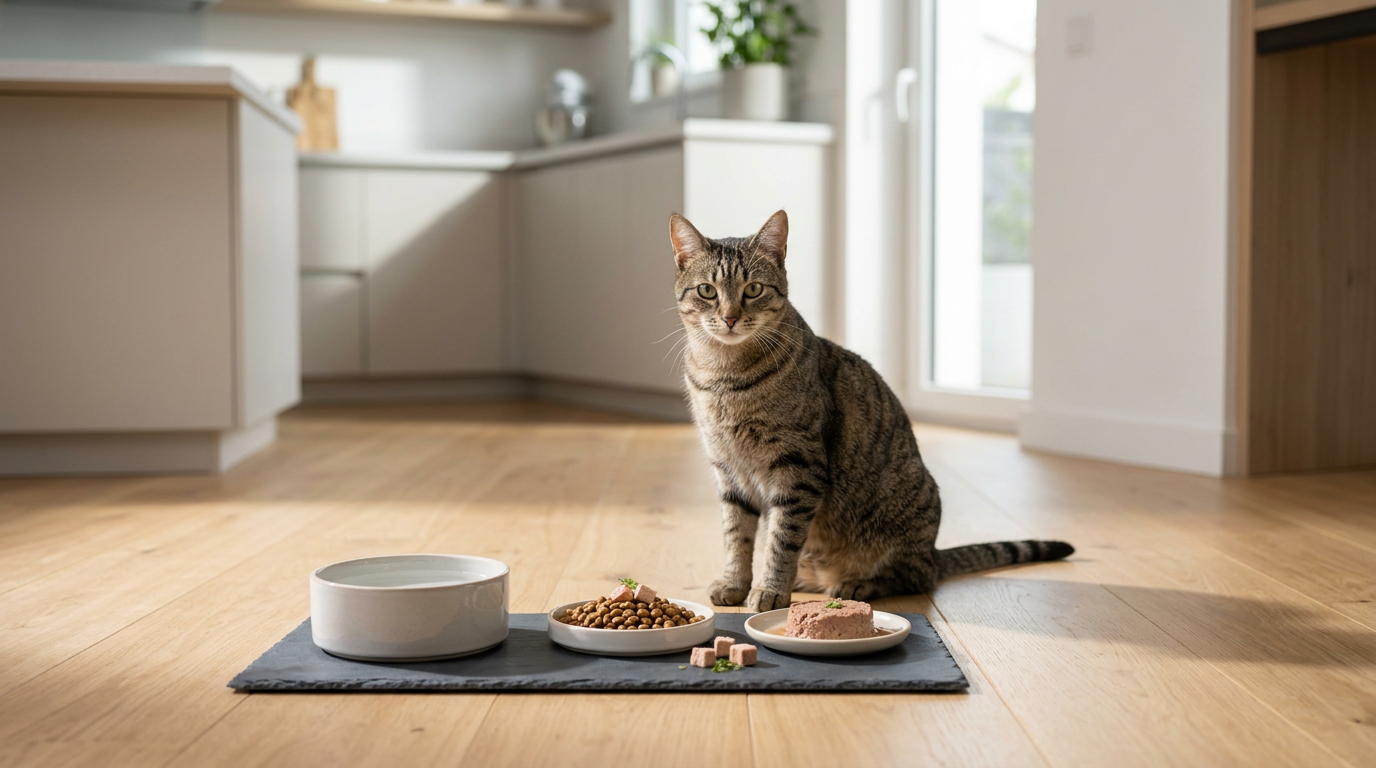
The full weaning process often takes four to six weeks, and many kittens are fully weaned by eight to ten weeks of age.
Abruptly separating kittens from their mother can negatively affect their health and social development. Kittens learn to eat, use the litter box and play by watching their mother, among other behaviors. Whenever possible, kittens should stay with their mother during weaning because she naturally guides much of the process.
- At about four weeks old, kittens can spend a few hours at a time in a separate area to reduce dependence on the mother cat's milk and constant presence.
- Set up that area with a litter box plus food and water bowls.
- As kittens become more independent, they can spend longer periods away from their mother until they are fully weaned.
How to Wean a Kitten Off Mother's Milk or Bottle-Feeding
- Offer kitten milk replacer in a shallow bowl. Do not use cow's milk, which can cause digestive upset in some kittens.
- Dip your fingertip, syringe or the bottle nipple the kitten is used to into the liquid. Let the kitten lick it, then slowly guide the kitten toward the bowl by moving your finger down to the liquid.
- Do not push the kitten's nose into the bowl. The kitten could inhale liquid, which may lead to serious respiratory problems.
- Once the kitten is comfortable lapping liquid, make a gruel by mixing high-quality dry or canned kitten food with kitten milk replacer until it has an oatmeal-like texture.
- Continue bottle-feeding while the kitten is learning to eat from a bowl, but offer the bowl first and the bottle afterward to support a gradual transition.
How to Introduce a Kitten to Solid Food
- Prepare the gruel described above.
- As the kitten becomes used to eating, slowly reduce the amount of milk replacer and increase the amount of kitten food.
- By five to six weeks, the kitten should be eating food that is only lightly moistened.
- At that stage, you can begin leaving out small amounts of dry food and fresh water at all times.
- By eight to ten weeks, kittens should be comfortable eating dry kitten food without added moisture.
Orphaned or hand-fed kittens can often begin weaning a little earlier, around three weeks of age, but the basic process is similar.
- Start by offering milk replacer in a dish and helping the kitten learn to lap from it.
- Gradually move to the gruel described above.
- As the kitten becomes more comfortable eating, slowly use less milk replacer.
- By five to six weeks of age, the kitten should be getting nutrients from kitten food alone.
Kittens may step in the gruel, bat at it or make a mess before they understand that it is food. Be patient and avoid rushing them. After each feeding, wipe formula from the kitten's face and feet with a soft, damp cloth. Gently dry the kitten with a towel and keep the kitten in a warm, draft-free area until fully dry.
Adult Cats
Adult cats should eat enough high-quality, nutritious food to meet their energy needs and help maintain and repair body tissues. The right amount depends on body size and energy use. Activity levels can vary widely between cats and are an important factor in daily calorie needs.
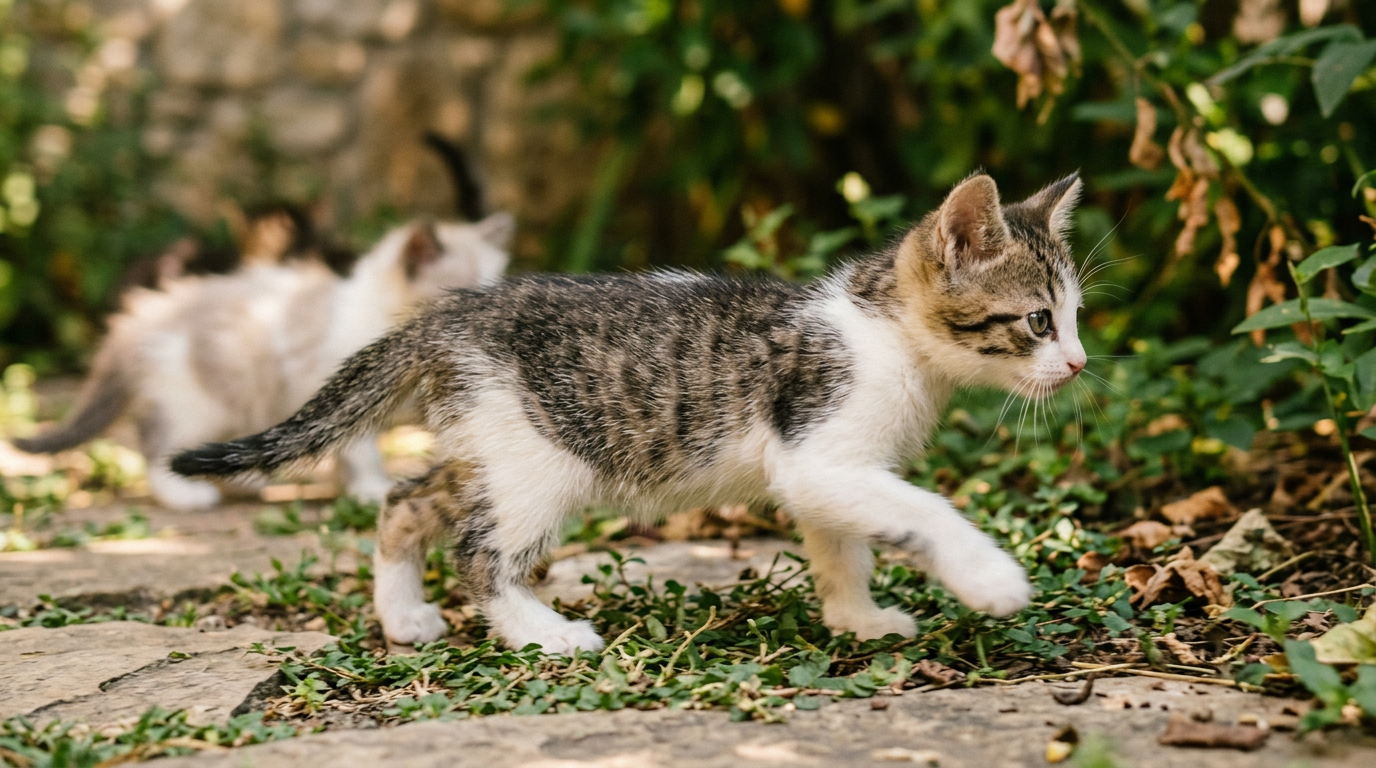
- A cat with a typical activity level generally needs maintenance energy. A cat that spends most of the day resting may need about 10% less than maintenance, while a very active cat may need maintenance plus 20% to 40%.
- Cats should always have access to fresh, clean water. Water bowls should be cleaned daily.
- All cats need taurine, an amino acid important for normal heart function, vision and reproduction. Because taurine is found only in animal-based protein, cats need meat-based diets to meet this requirement.
- Extreme heat or cold can affect a cat's energy needs because staying warm or cool uses extra energy. Ask your veterinarian what adjustments may be appropriate during very hot or cold weather.
- A cat recovering from surgery or dealing with illness may have different nutritional needs while the body repairs and recovers. Talk with your veterinarian about whether diet changes are needed during illness or recovery.
- As a general guideline, many cats do well with two meals per day using portion-control feeding. Begin by dividing the amount suggested on the food label into two meals spaced eight to twelve hours apart. You may need to adjust portions as you learn your cat's maintenance amount. Pet owners should consult a veterinarian to determine the best feeding schedule and food type for their cats.
- Some households cannot follow a standard twice-daily feeding routine. Cats can be fed successfully in several ways depending on the owner's schedule and the cat's needs. Common feeding methods include portion-control feeding, timed feeding and free-choice feeding.
- Portion-control feeding means measuring the cat's food and offering it as a meal so the amount eaten can be managed. This approach is often used for weight control or for cats that may overeat if food is always available. Food can be offered in one or more meals each day.
- Timed feeding means giving the cat a portion of food for a set amount of time. For example, food may be placed in the bowl for 30 minutes, then any uneaten food is removed.
- Free-choice feeding, also called ad lib feeding or free feeding, means food is available at all times. This method works best with dry food because it can be left out without spoiling as quickly. However, some cats overeat with free-choice feeding, which can contribute to excess weight gain.
- Milk should not be used as a treat or as a water replacement. Cats do not have significant amounts of lactase, the enzyme that breaks down lactose in milk. Milk and milk-based foods can cause vomiting or diarrhea in some cats.
- Treats should be offered in moderation and should make up 5% or less of a cat's daily food intake. The rest should come from a nutritionally complete cat food.
Senior Cats
Cats often begin showing visible age-related changes around seven to twelve years of age. Metabolism, immune function and body composition can also change. Some changes are expected with age, while diet may help manage others as part of routine care.
- Consider transitioning to a senior diet at about seven years of age, with veterinary input.
- The main goals when feeding an older cat are to help maintain health and an appropriate body weight, support the management of age-related conditions and reduce the impact of clinical signs when health concerns are already present.
- As cats age, health concerns may include changes in skin and coat condition, loss of muscle mass, more frequent intestinal problems, arthritis, obesity, dental problems and reduced ability to fight infection.
- Routine care for geriatric cats should include a consistent daily schedule and periodic veterinary exams to assess whether chronic conditions are present or progressing.
- Stressful situations and sudden changes in daily routine should be avoided when possible.
- If a major change must be made to an older cat's routine, try to reduce stress by making the change gradually.
Overweight Cats
Obesity is common in pets and, as in people, can place extra strain on a cat's body. Excess weight is associated with added stress on the body and may increase the risk of concerns such as diabetes, liver problems and joint discomfort.
Obesity develops when a cat takes in more energy than the body uses. The extra energy is stored as fat. Once a pet becomes obese, the excess weight may persist even after overeating stops. Many obesity cases are related to overfeeding combined with too little activity.
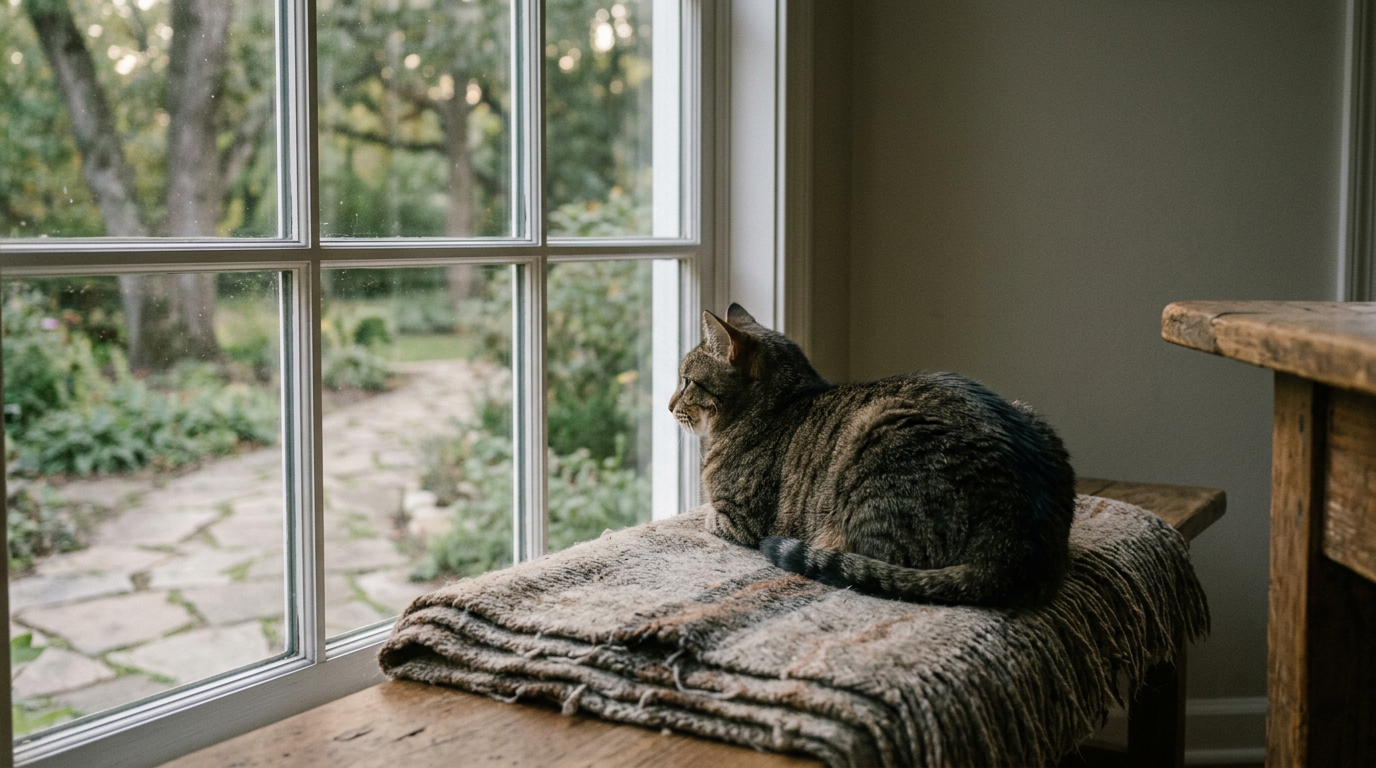
For a general body condition check, you should be able to feel the backbone and ribs of a cat at a healthy weight. If you cannot feel the ribs without pressing, there may be too much fat. From above, there should be a visible waist between the back of the rib cage and the hips. From the side, the abdomen should tuck upward from the bottom of the rib cage toward the thighs.
Talk with your veterinarian before starting a weight-loss plan. A plan often includes several major areas.
- Overweight cats consume more calories than they need. Work with your veterinarian to determine calorie needs, choose an appropriate food and calculate how much to feed. The diet should include a normal level of moderately fermentable fiber and fat sources that help maintain skin and coat condition during weight loss. Diets that reduce calories by adding very high fiber can increase stool volume, increase the urge to defecate and affect nutrient digestibility.
- Increasing physical activity can be useful for weight loss and weight maintenance. Regular exercise burns calories, may help reduce appetite, can change body composition and may increase resting metabolic rate.
- A successful weight-management plan requires lasting changes to the habits that contributed to weight gain. This might mean reducing treats or creating more chances for activity.
If you are committed to helping your cat lose weight, practical household changes can help support the plan.
- Keep the cat out of the room while the family eats.
- Feed several small meals throughout the day.
- Serve all meals and treats only in the cat's bowl.
- Cut back on snacks and treats.
- Offer attention that is not based on food.
Explore real-ingredient treats
Choose simple, natural rewards made to support everyday happy, healthy treat moments.
Shop Natural Treats