

Selecting food for a cat is an important part of everyday care. From the kitten stage through later years, dietary choices can influence energy, body condition, and overall day-to-day well-being.
Related option: Gift Pack Dog.
Related option: Puppy-Kitten.
Related option: Freeze-Dried Meats.
Related option: Dog.
Related option: Freeze-Dried Large Venison Chunks - Premium Protein.
Related option: Freeze-Dried Large Beef Chunks - High Energy Treat.
Related option: Freeze-Dried Salmon Crumbles - Food Topper.
Related option: Freeze-Dried Rabbit Ears - Digestion Aid.
This guide covers the basic foods cats need, how feeding needs can shift by age, and what to consider when choosing food throughout a cat's life.
Key Takeaways
- Cats are obligate carnivores, so animal-based protein is a central part of their diet.
- Food needs differ among kittens, adult cats, and older cats.
- Choose foods with an AAFCO nutritional-adequacy statement that matches the cat's life stage, with animal protein prominently included.
- Keep treats and people foods limited, and choose them with care.
What Should Cats Eat?
Because cats are obligate carnivores, they have particular nutritional requirements that include:
- A diet built around substantial amounts of quality animal protein
- Food-derived essential amino acids, including taurine and arginine
- Fat for energy as well as essential fatty acids such as arachidonic acid
- Vitamins and minerals, including vitamin A, which cats cannot produce themselves
AAFCO develops nutrient guidelines intended to help prevent cat foods from supplying inadequate or excessive amounts of important nutrients. Check the package for an AAFCO statement of nutritional adequacy before choosing a food.
Feeding Cats at Each Life Stage
A cat's nutritional needs evolve over time. AAFCO addresses those differences with separate standards for adult maintenance and for growth and reproduction.
Kittens (6 weeks - 1 year)
Very young kittens need specialized care. Once they are about 6 to 8 weeks old, they can generally begin eating kitten food and drinking water.
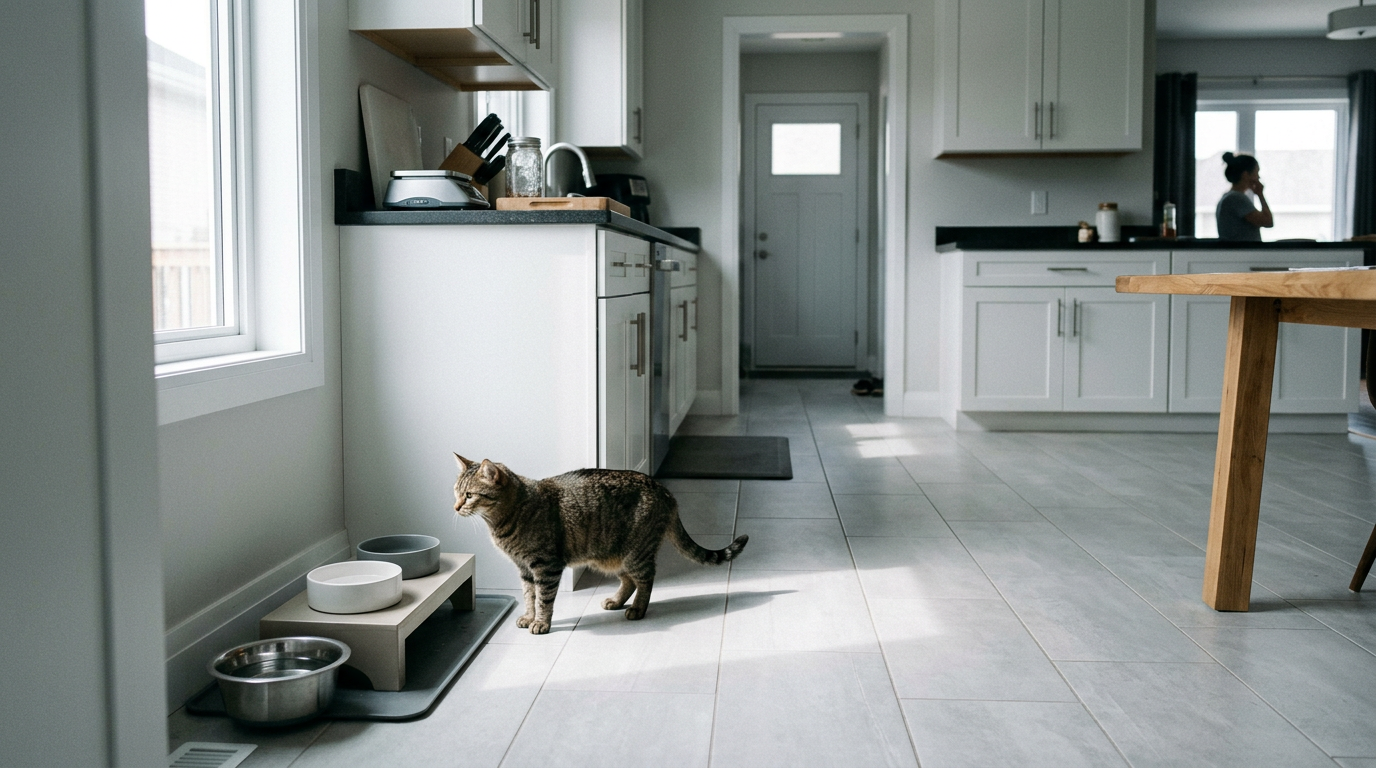
Since kittens develop quickly, they need nutrient-rich food to support that growth. AAFCO specifies that dry kitten diets contain at least 30% protein, which is more than the adult minimum. Kittens also need increased amounts of certain vitamins and minerals.
Offer young kittens food at least three or four times each day, then shift toward two or three meals as adulthood gets closer. Many kittens can move to adult food at roughly 10 to 12 months. Larger breeds, including Maine Coons, may be suited to kitten food until about 18 months.
Adult Cats (1 year - 7 years)
Adult cat food must contain at least 26% protein. Still, many cats do well with diets containing considerably more, such as 35% or higher. Higher-protein options may help support lean body mass and are more consistent with a cat's natural prey-based diet.
Two meals daily work well for many adult cats, although several smaller meals can better resemble normal hunting patterns. Portion awareness becomes especially important for indoor cats, which may have limited activity and can gain excess weight easily. Check body condition routinely and adjust meal portions when appropriate.
Senior Cats (7 years - 10 years and above)
As cats age, metabolic changes may affect how efficiently they digest and absorb protein. For otherwise healthy older cats, a higher-protein food, around 40% or more on a dry-matter basis, may be useful for maintaining muscle mass and supporting quality of life.
AAFCO does not set separate standards specifically for senior cats, so adult maintenance standards still apply. Foods marketed for seniors often include ingredients intended for joint support, antioxidants, or other supplemental nutrition.
For a cat with a diagnosed condition, a veterinarian may suggest a therapeutic diet.
What To Look for in a Cat Diet
When comparing foods, look for choices from established manufacturers that offer:
- Animal proteins among the leading ingredients
- An AAFCO nutritional-adequacy statement for the cat's current life stage
- Protein levels above the minimum recommendation
Many different forms of cat food can meet these criteria.
Types of Cat Food
Dry Cat Food
Dry food is typically affordable, easy to serve, and shelf-stable. Compared with wet food, though, it is often higher in carbohydrates and lower in protein. Since many cats get much of their water through food instead of a bowl, dry food may provide less moisture than is ideal for some cats.
Wet Cat Food
Wet or canned foods usually contain about 75% to 85% moisture, which can help support fluid intake. Cats often find wet food more appealing than kibble, and it commonly has fewer carbohydrates and more animal protein. To compare wet and dry foods fairly, convert the label values to a dry-matter basis. Wet food is often recommended as a primary feeding option for cats.
Fresh Cat Food
Fresh diets are commonly sold refrigerated or frozen and use minimally processed, whole-food ingredients. They often provide quality protein and substantial moisture, but they need careful storage and handling.
Raw Cat Food
Raw diets are intended to resemble the foods cats might consume naturally. They can involve meaningful concerns, including bacterial contamination, nutrient imbalances in home-prepared recipes, and hazards associated with bones. Commercial raw diets may follow certain safety procedures, but discuss the possible benefits and risks of raw feeding with a veterinarian.
Dehydrated Cat Food
Dehydrated and freeze-dried foods are shelf-stable and do not require refrigeration or freezing. They are often made with quality animal proteins. Some are fed dry, while varieties designed for rehydration can offer moisture in a way similar to wet food.
Homemade Cat Food
Making food at home gives caregivers direct control over ingredients, but creating a diet that meets all of a cat's requirements can be challenging. Anyone planning to feed homemade food should work with a board-certified veterinary nutritionist on a complete, balanced recipe and follow veterinary guidance for dietary and health monitoring.
What Can I Feed My Cat as a Treat?
Treats can make shared time with a cat more enjoyable, but they should account for no more than 10% of daily calories to help avoid diet imbalance and unwanted weight gain.
Cat treats are available as crunchy bites, soft chews, freeze-dried meat, and lickable purees, among other forms. Try a few options your cat enjoys and rotate them for variety. Small portions of cat-appropriate human food can also be offered as treats.
What Human Foods Can Cats Eat?
Some foods people eat can be appropriate for cats. Plain, cooked, protein-rich foods are generally the best choices, including:
- Chicken
- Turkey
- Beef
- Fish
- Eggs
Tips for Feeding Your Cat
Strong feeding routines are an important part of cat care.
- Keep meals on a regular schedule. Serve meals at about the same time every day. An automatic feeder can be practical when schedules are busy. Meal feeding instead of leaving food available continuously makes intake easier to track and may help caregivers notice changes sooner.
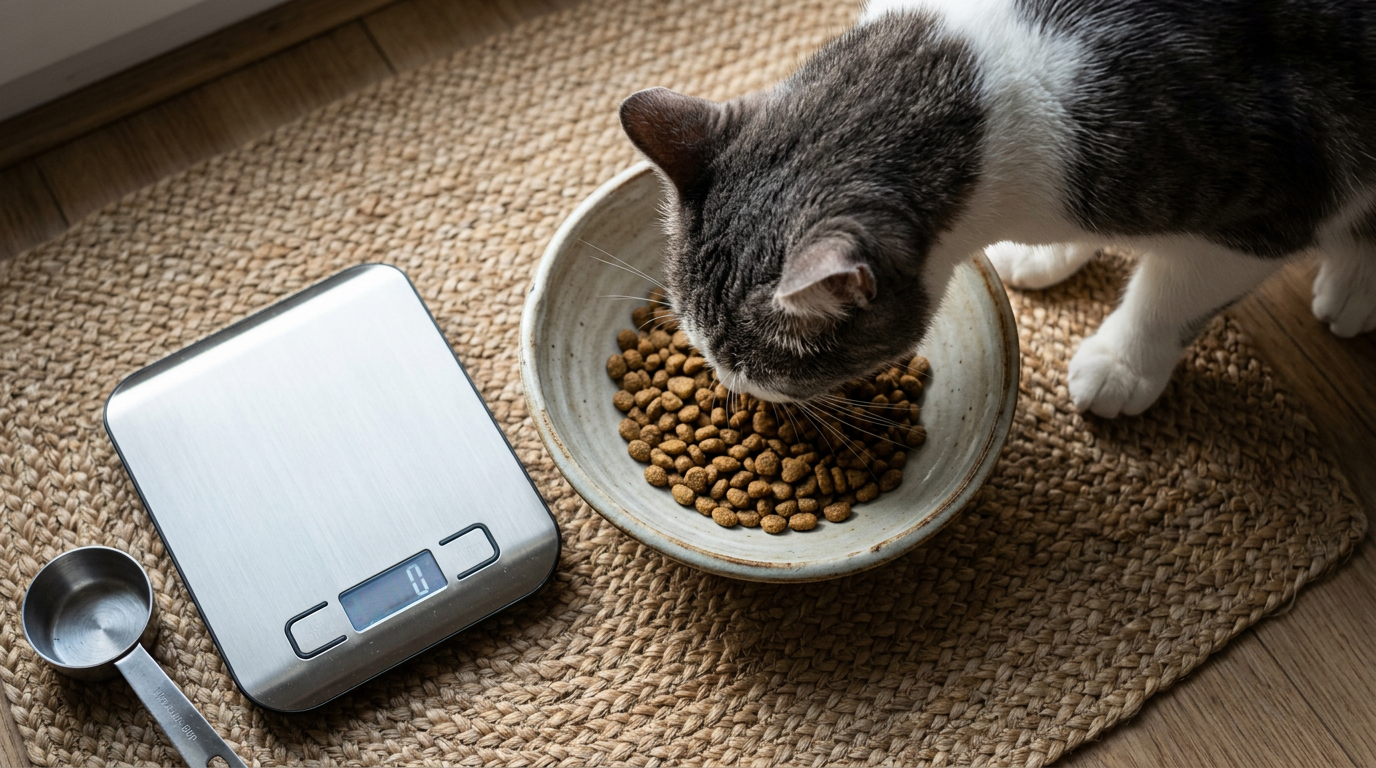
- Portion food accurately. Measure servings with a cup or a small household scale. Giving too much food is common and can contribute to excess weight and related concerns.
- Always offer clean, fresh water. Set out several water bowls around the home and wash them daily. A water fountain can be a practical option for cats that prefer moving water.
- Feed cats separately in multi-cat homes. Separate feeding can reduce food stealing and competition while making it easier to monitor each cat's intake. Microchip- or RFID-enabled feeders may help.
- Check body condition on a routine basis. Weigh your cat each month using a small digital pet scale, and modify portions as needed to support a healthy body weight.
- Do not leave wet or fresh food out too long. Throw away uneaten food after one hour to reduce the chance of spoilage and bacterial growth.
- Change foods slowly. Over seven to 10 days, blend progressively more of the new food with progressively less of the old food to help limit digestive upset.
- Make feeding time engaging. Puzzle feeders and hiding small amounts of food or treats around the house can encourage natural foraging behavior.

FAQs About Cat Diets
Cats often favor foods with animal protein and noticeable aromas. Because wet food has a strong scent and high moisture level, it is frequently more attractive than dry kibble, particularly when offered at room temperature.
Free-feeding is usually not advised. Although it can be convenient, it is harder to track food intake, may contribute to excess weight, and can make changes in appetite less obvious. Cats that need to gain weight may be an exception.
Move from one food to another over seven to 10 days by gradually increasing the amount of new food while decreasing the old food. If digestive upset occurs, return to the previous food for several days and restart the change at a slower pace.
Should I put my cat on a special diet?
Therapeutic diets are designed for veterinary management of conditions such as kidney disease, diabetes, or food allergies and should be used only with veterinary direction. For a healthy cat, choose a quality commercial food with an AAFCO nutritional-adequacy statement.
Can I feed my cat a vegetarian or vegan diet?
Cats should not be fed vegetarian or vegan diets. As obligate carnivores, cats have nutritional requirements that rely on animal-based ingredients. Plant-based feeding can create serious nutrient deficiencies and health risks.
Not sure what fits your pet?
Build a simple pet profile and discover treat ideas based on your pet’s needs, preferences, and sensitivities.
Build Your Pet Profile