

What to know
- Pet foods and treats can occasionally carry germs that may make animals or people sick.
- Raw pet food and raw treats are not recommended for dogs or cats.
- A veterinarian can help you choose a diet that is appropriate and safe for your pet.
Overview
People want their dogs and cats to eat food that supports their daily needs. Like human food, though, pet food and treats can sometimes become contaminated with germs. When that happens, both pets and people may become sick.
Related option: Gift Pack.
Related option: Cat.
Related option: Freeze-Dried Large Venison Chunks - Premium Protein.
Related option: Freeze-Dried Large Beef Chunks - High Energy Treat.
Related option: Freeze-Dried Salmon Crumbles - Food Topper.
Practical handling, storage, and cleaning habits can help lower the risk for pets and the people who live with them.
Safe food for dogs and cats
Dogs and cats have many safe food options. Pet foods that have been properly cooked or heated are less likely to cause food poisoning because the processing reaches temperatures intended to kill germs.
For a dog or cat's main diet, choose foods that provide the nutrients your pet needs in the right amounts. When shopping for a main diet, look for wording such as complete and balanced on the product label.
Main types of safe pet food
Kibbles
Kibble is cooked, formed into pieces, and then dried. Flavor coatings are usually added after the pieces are dried.
Some kibble products may be coated with or mixed with raw pet food. Those products should be treated as raw pet food and will often include the word raw on the package.
Canned pet foods
Canned pet foods are sealed in their containers and then sterilized by heating them to a high temperature.
Fresh pet foods
Fresh pet foods are cooked foods made with fewer preservatives or no preservatives. They are often shipped directly to customers through online subscription services, and they may also be sold in pet stores or grocery stores.
Because these foods use fewer preservatives, they need refrigeration. They also generally do not last as long as dry kibble or canned food.
Homemade pet foods
Some pet owners prepare meals at home using grocery store ingredients. If homemade food is your pet's main diet, talk with a veterinarian or veterinary nutritionist. They can help you understand whether the diet is complete and balanced for your pet.
Follow pet food safety steps
Keep your pets safe
- Do not give your pet food that has been recalled or is known to be contaminated.
- Wash pet food bowls, water bowls, scoops, treat toys, feeding mats, and placemats regularly.
- Use the storage directions printed on pet food labels.
Report pet illnesses to FDA
If your pet becomes sick after eating a particular food, report the issue as a complaint to FDA.
Keep track of pet food recalls and outbreak notices so you can respond quickly when needed.
Keep yourself and your family safe
Wash your hands with soap and water before and after touching pet food or treats. Children should be supervised by adults so they wash their hands correctly.
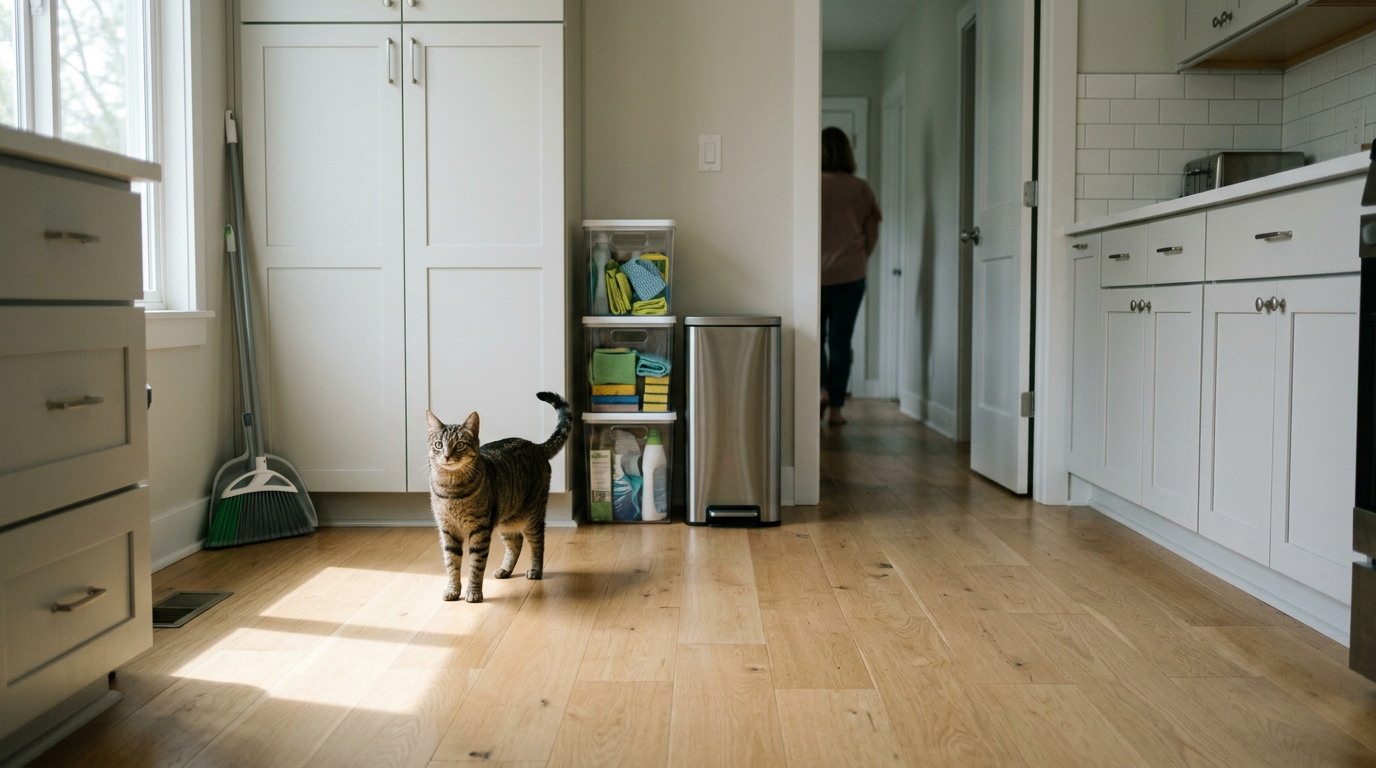
Do not allow pets to lick open wounds or broken skin. It is also best to avoid letting a pet lick your mouth or face right after eating.
Raw pet food
Raw pet food and raw treats may make dogs or cats sick. For that reason, raw pet food and treats are not recommended for dogs or cats.
What is raw pet food?
Raw pet foods include uncooked animal protein that has not been heated enough to kill germs. The animal protein is often from sources such as chicken or beef.
Plant foods, including fruits and vegetables, are less likely to carry these germs and are not considered raw pet food.
Some companies use irradiation or high pressure processing to reduce germs without heat. However, there is not enough information about how consistently these methods are being used in pet food processing facilities, so these foods are still considered raw pet food.
Raw ingredients in pet food
Raw pet food commonly contains ingredients such as:
- Uncooked muscle meat, such as thigh or breast meat
- Uncooked organ meat, such as liver or kidney
- Uncooked bones
- Uncooked eggs
- Unpasteurized milk
Forms of raw pet food
Raw pet foods are sold in several forms, including:
- Raw food similar to raw meat sold at a grocery store
- Raw frozen food
- Freeze-dried food, which is frozen and dried in a vacuum
- Dehydrated food, which is dried with warm air
Treats and meal toppers can also be raw. Food toppers are added to or mixed into a pet's regular food. Rawhide chews and freeze-dried treats are examples of raw treats or toppers.
Identifying raw pet food
The simplest way to spot a raw pet food product is to check the package for the word raw. You can also ask the store or contact the pet food company.
Raw pet food can cause food poisoning
Raw pet food may make a dog or cat sick because raw meat and other uncooked animal proteins can contain germs such as Salmonella and Listeria. These germs have been found in several raw pet food products.
Raw pet food may also make people sick when germs are carried onto kitchen surfaces, household items, or hands.
Freezing, dehydrating, or freeze-drying raw animal protein can reduce the number of germs, but these methods do not remove every germ that may be present.
Raw pet food is not necessarily healthier
Raw food is not automatically a healthier choice. Raw and cooked pet foods can both be made with either high-quality or low-quality ingredients. Either type can also be nutritionally balanced or fall short.
Both cooked and raw foods may be digestible. Cooking can make some nutrients easier to digest, while other nutrients may be more digestible in raw form. For example, cooking seafood breaks down thiaminase, an enzyme that can be harmful, and helps prevent thiamine deficiency in cats.
Some raw diets are described as natural, ancestral, or instinctual for dogs and cats. However, the diets that suit wolves or wild cats are not the same as diets for household pets. Dogs and cats living in homes and often living longer lives have different nutritional needs. Pet dogs also tend to prefer and need diets lower in protein and higher in fat and carbohydrates than wolves.
If you're thinking about feeding raw food to your pet
Speak with your veterinarian before feeding raw food to a dog or cat. They can help you weigh what may be appropriate for your pet and your household.
The following questions can be useful to discuss with your veterinarian.
People at risk for serious illness
Does anyone in your home, or anyone who regularly interacts with your pet, have a higher chance of becoming very sick from foodborne germs? This group includes:
- Children younger than 5 years old
- Adults age 65 or older
- People with weakened immune systems
- Pregnant women
Pets at risk for serious illness
Is your pet more likely to become sick from foodborne germs? This can include young pets, such as puppies, and pets with weakened immune systems or other health conditions.
Balanced diet
Is the raw diet you are considering complete and balanced for your pet? Will it support your pet's overall needs?
More frequent cleaning
Can you keep up with the extra cleaning that raw pet food requires?
If you feed raw food to your dog or cat
If you decide to feed raw pet food to your dog or cat, consider the following steps.
Buy from credible companies
Consider companies that describe strong food safety practices. Questions to ask include:
- Do you test every finished product for common foodborne germs such as Salmonella, E. coli, and Listeria?
- What steps do you use to kill germs in raw pet food products?
- How often is the manufacturing facility cleaned and disinfected?
- Does your company work with veterinary nutritionists?
Consult your veterinarian
If raw food will be your pet's main diet, speak with a veterinarian or veterinary nutritionist. They can help you review whether the diet provides the nutrition your pet needs.
Clean often
Wash your hands with soap and water before and after handling raw pet food. Clean any items or surfaces that came into contact with the food.
Store food properly
Raw pet food that must stay cold should be chilled and stored correctly. Keep it frozen until you are ready to thaw and use it. Thaw frozen raw pet food in the refrigerator, and store it in a sealed container in the freezer or refrigerator away from other foods.
Discard leftovers that have been sitting out at room temperature.
Feeder rodents
If you use feeder rodents for a snake, lizard, turtle, or frog, handle them carefully because they can carry harmful germs.
Resources
Not sure what fits your pet?
Build a simple pet profile and discover treat ideas based on your pet’s needs, preferences, and sensitivities.
Build Your Pet Profile